Home ICU Setup Equipment – Complete Checklist, Cost & Buying Guide (2026)
Introduction
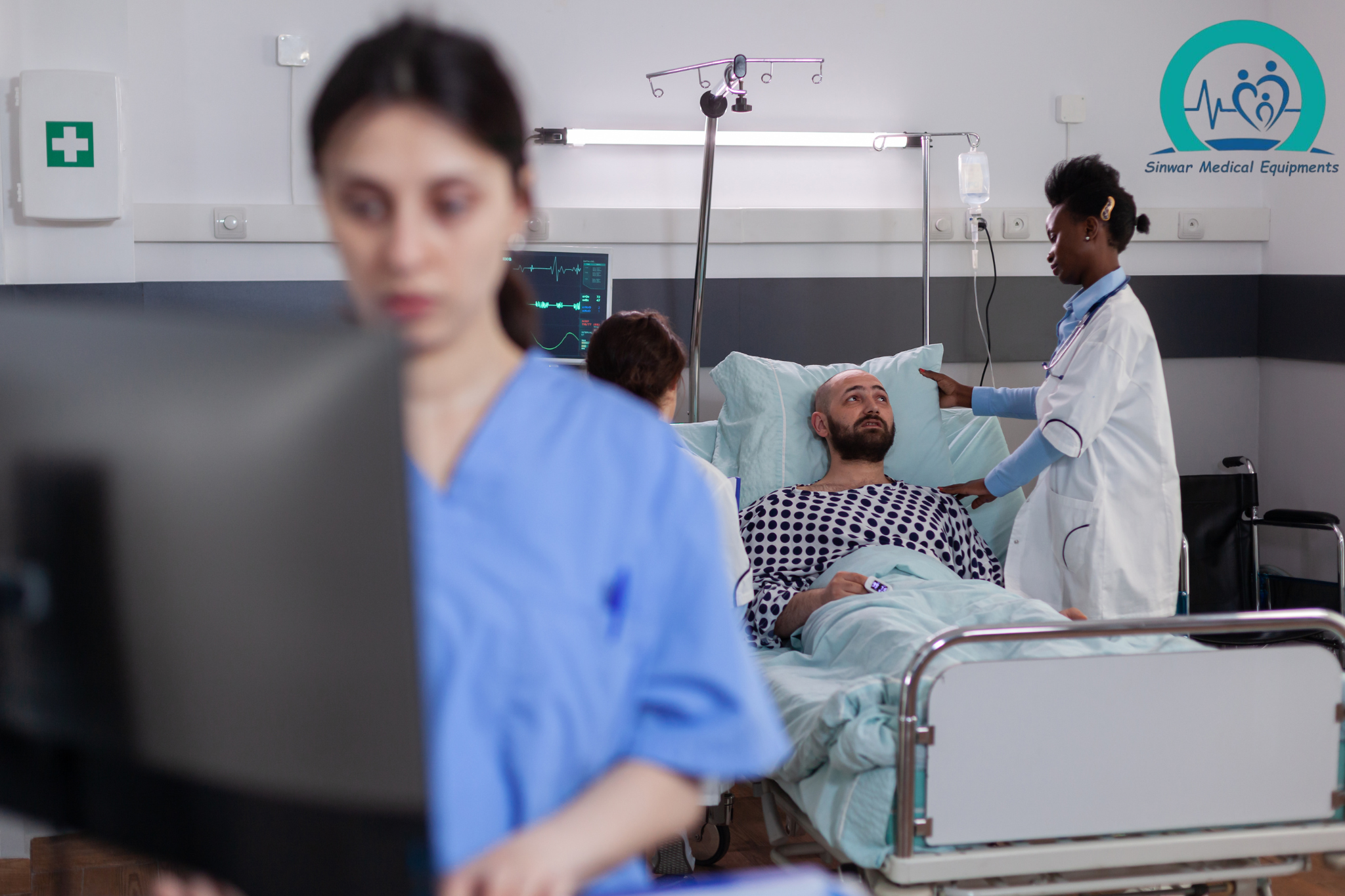
Home ICU setup is becoming increasingly popular for patients who require critical care but prefer to stay at home. With the right medical equipment and professional support, patients can receive hospital-level treatment in a comfortable environment.
What is Home ICU Setup
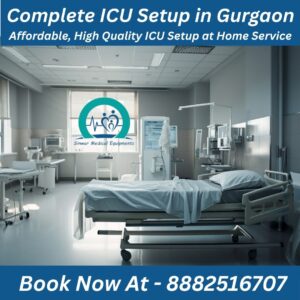
A home ICU setup includes advanced medical equipment installed at home to provide intensive care. It replicates hospital ICU facilities such as monitoring systems, oxygen support, and emergency care devices.
Essential ICU Equipment
• Ventilator for breathing support
• Patient monitor (ECG, BP, oxygen levels)
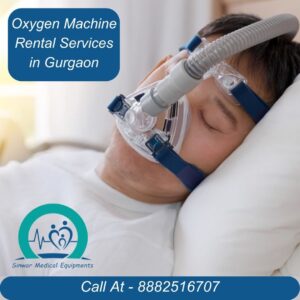
• Oxygen concentrator or cylinder
• Suction machine
• Infusion pumps
• Hospital bed with adjustable features
Additional Equipment
• Defibrillator for emergencies
• Nebulizer
• Air mattress for bed sores
• Backup power supply (UPS/Inverter)
• Pulse oximeter
Who Needs Home ICU
Patients recovering from major surgeries, critical illness, or those requiring long-term ventilator support benefit from home ICU setups. Elderly patients also require continuous monitoring.
Benefits
Home ICU reduces hospital costs, lowers infection risk, and provides emotional comfort. Patients recover faster in a familiar environment with family support.
Cost in India
The cost of setting up a home ICU ranges from ₹50,000 to ₹5,00,000 depending on equipment and care level. Rental options are available for affordability.
How to Choose Equipment
Choose certified equipment from trusted providers. Consider patient condition, budget, and after-sales support before purchasing or renting equipment.
FAQs
It is a setup that provides ICU-level care at home. It includes medical equipment and monitoring systems. It ensures patient safety and continuous care.
Ventilator, monitor, oxygen support, and hospital bed are essential. These ensure proper treatment. They help in critical care management.
Critical patients, post-surgery patients, and elderly individuals need it. It helps in continuous monitoring. Long-term care becomes easier.
Yes, it is safe when managed properly. Trained professionals ensure care. Equipment helps maintain stability.
It ranges from ₹50,000 to ₹5,00,000. Cost depends on equipment. Rental options reduce expenses.
Yes, most equipment is available on rent. It reduces financial burden. Short-term use becomes affordable.
Only for patients with breathing issues. Doctors recommend it. It provides life support.
It tracks vital signs like heart rate and oxygen levels. It ensures continuous monitoring. Alerts help prevent emergencies.
Yes, many patients require oxygen support. It helps maintain proper breathing. Oxygen concentrators are commonly used.
Yes, elderly patients benefit greatly. They receive continuous care. It improves comfort and safety.
Yes, trained nurses are important. They manage equipment. They provide patient care.
For long-term care, home ICU is better. It reduces stress. Costs are lower.
Yes, equipment needs regular maintenance. It ensures proper functioning. Safety is maintained.
Yes, setup depends on patient needs. Equipment is selected accordingly. Personalized care is possible.
Yes, emergency support can be arranged. Backup systems are used. Quick response is ensured.
Yes, home care reduces hospital infections. Clean environment helps. Recovery improves.
Basic training is needed. Caregivers are guided. Proper usage ensures safety.
It depends on patient condition. Short-term or long-term use is possible. Doctors guide duration.
Yes, home ICU services are widely available. Many providers offer equipment. Access is easy.
Check experience and reviews. Ensure certified equipment. Choose reliable service providers.